Veterinary Topics
Recent Topics
Quick answer: Daily brushing with a dog-safe toothpaste (never human toothpaste) is the single best thing you can do for your dog's teeth at home. Introduce it gradually over 1–2 weeks, focus on the outer surfaces of the teeth, and pair it with regular professional dental checks - brushing slows plaque but can't remove hardened tartar below the gumline. Brushing is the gold standard of home dental care, and it's genuinely worth the effort: it removes plaque before it hardens into tartar, the main driver of gum disease. The good news is that almost any dog can learn to accept it if you go slowly. Here's exactly how. What you'll need A dog toothbrush or a soft finger brush (a soft child's toothbrush works for larger dogs). Dog-safe enzymatic toothpaste , usually poultry- or malt-flavoured. Never use human toothpaste. It often contains fluoride and sometimes xylitol , which is toxic to dogs. Dog toothpaste is made to be swallowed safely. Step-by-step: brushing your dog's teeth Let your dog taste the toothpaste. Put a little on your finger and let them lick it off, so they learn it's a treat - not a threat. Touch the lips and gums. Over a few days, gently lift the lip and rub a finger along the outside of the teeth and gums. Reward calm behaviour. Introduce the brush. Add toothpaste to the brush and let your dog lick it, then start touching it to a few teeth. Brush the outer surfaces. Hold the brush at about a 45° angle to the gumline and use small circles. The *outer* surfaces (cheek side) collect the most tartar and are what matter most - don't worry about the inner surfaces early on. Build up gradually. Start with a few seconds and a couple of teeth; over 1–2 weeks work towards the whole mouth, aiming for about 1–2 minutes. Finish with praise or a reward. Keep every session short, calm and positive so your dog looks forward to it. How often should you brush? Daily is ideal. Plaque starts to harden into tartar within a couple of days, so brushing every day (or at least every other day) keeps ahead of it. A few times a week is still far better than nothing. When brushing isn't enough Brushing is brilliant prevention, but it has a limit: once plaque has hardened into tartar - especially below the gumline - no amount of brushing will remove it. At that stage your dog needs a professional canine teeth cleaning : a dental scale and polish under general anaesthesia. If you already see brown tartar, red gums or notice any signs of dental pain , book a dental check rather than relying on brushing alone. Not keen on brushing, or have a dog that won't tolerate it? Vet-recommended dental chews (look for the VOHC seal) are a useful back-up between brushes. How we help at AVH Animal Ark Our team is happy to show you the technique in person and check whether your dog already needs a professional clean. When a scale and polish is needed, we perform it with our iM3 GS Elite dental unit, under safe general anaesthesia with IV fluids and full monitoring, at our Springleaf and Tampines clinics (open 7 days). A scale and polish starts from $550 (blood tests from $250). Frequently asked questions Can I use human toothpaste on my dog? No. Human toothpaste can contain fluoride and xylitol, both harmful to dogs. Always use a toothpaste made for dogs. My dog hates having his teeth brushed - what can I do? Go slower. Spend several days just letting him lick the paste and getting used to your finger on his gums before introducing the brush. Keep sessions short and rewarding. VOHC-accepted chews and a dental diet can help in the meantime. How soon will brushing make a difference? Brushing prevents *new* plaque from hardening, so the benefit is ongoing. It won't remove tartar that's already there - that needs a professional scale and polish. Is brushing enough on its own? It's the best home step, but most dogs still need periodic professional cleanings because brushing can't reach below the gumline. Medically reviewed by Dr Colin Chin , Veterinarian (Murdoch University, 2011) - special interest in anaesthesia and small-animal medicine; anchor veterinarian at our Tampines clinic. Read Dr Colin's profile Last reviewed: June 2026. This article is general information and not a substitute for a consultation with your vet. References / Further reading 2019 AAHA Dental Care Guidelines for Dogs and Cats - American Animal Hospital Association Veterinary Oral Health Council (VOHC) - accepted home-care products (VOHC seal) WSAVA Global Dental Guidelines - World Small Animal Veterinary Association
Toy Poodles, Maltese & other small breeds get dental disease earlier. A vet explains why small breed dog dental care needs earlier, more frequent scaling.
Do dog dental chews actually work? A vet explains which chews reduce plaque, what the VOHC seal means, and how chews fit with a professional scale & polish.
Dogs hide dental pain well. Learn the warning signs - bad breath, drooling, dropped food, pawing - and when your dog needs a dental scale and polish in SG

Pancreatitis in dogs causes vomiting, abdominal pain and loss of appetite. Learn the signs, diagnosis and treatment from AVH Animal Ark vets, SG.

Feline urethral obstruction is a life-threatening emergency. Spot the signs early — AVH Animal Ark vets explain symptoms and treatment for blocked cats.

Pyometra (infected uterus) is a surgical emergency in unspayed female dogs and cats. AVH Animal Ark vets explain causes, symptoms and treatment.

Heartworm disease in cats and dogs is preventable but deadly. AVH Animal Ark vets explain transmission, symptoms, testing and prevention in Singapore.
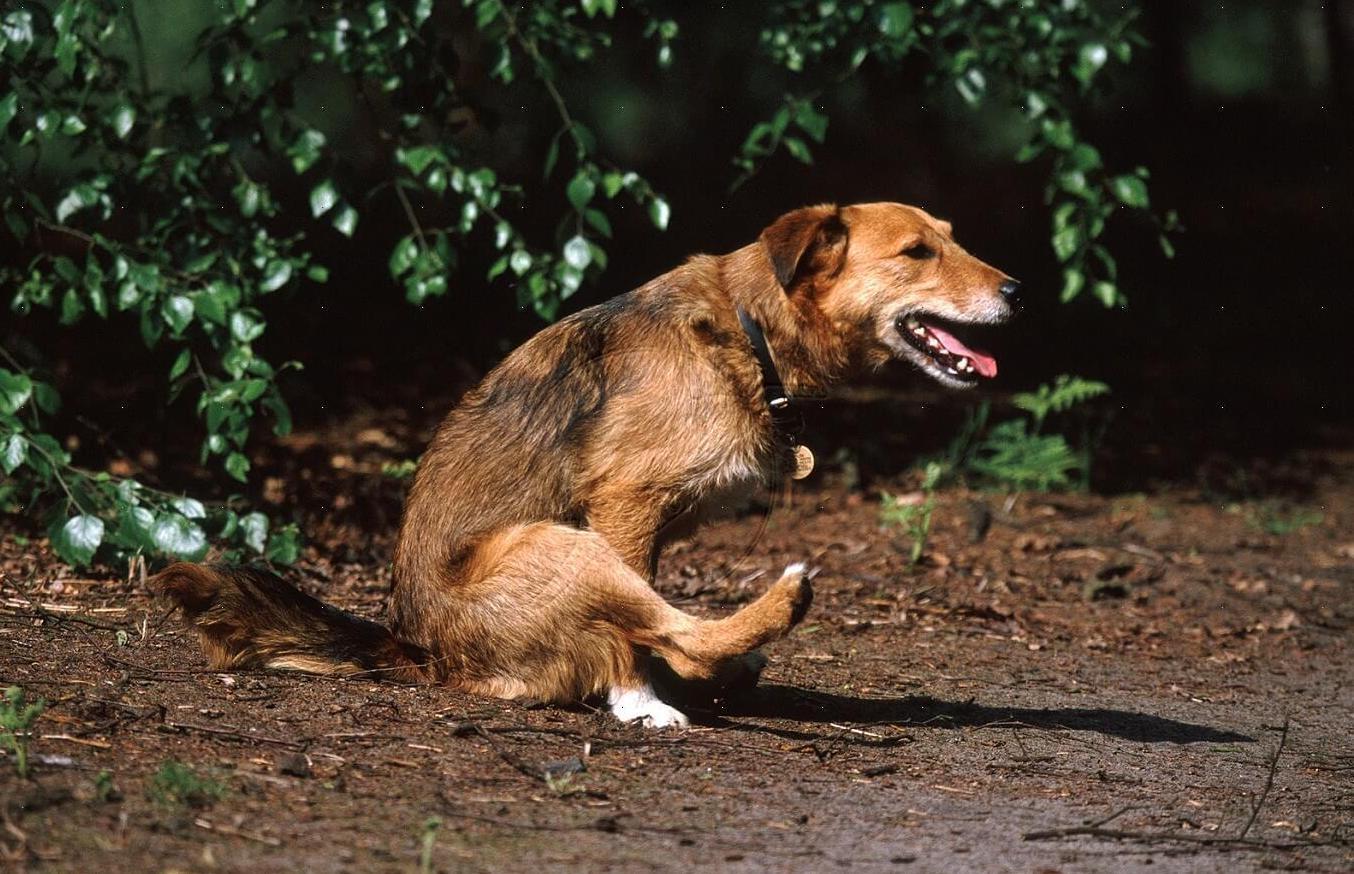
Scooting, licking and a foul smell can mean impacted anal sacs in dogs and cats. AVH Animal Ark vets explain causes, expression and surgical options.
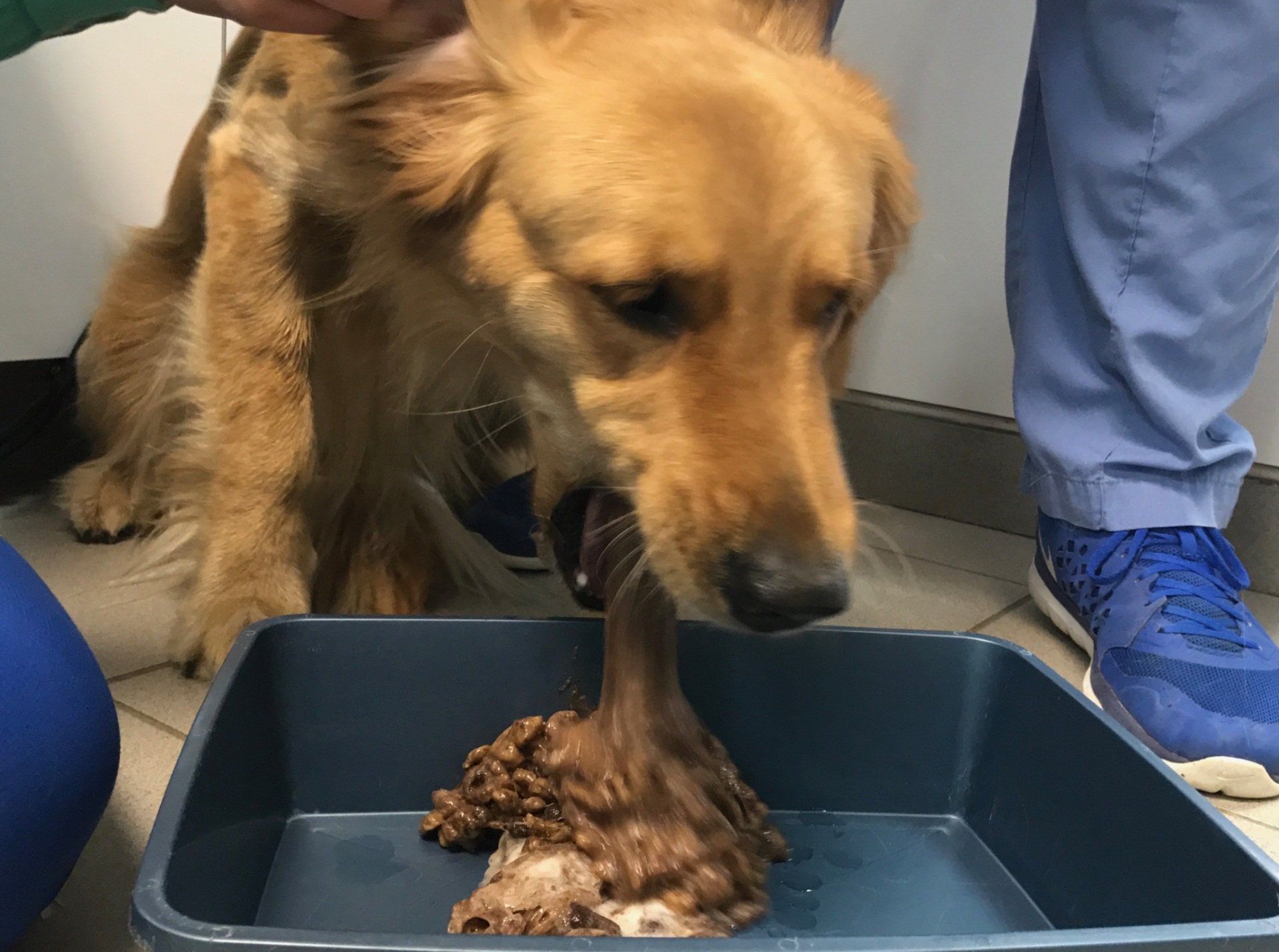
Chocolate, grapes, lilies and human medications can be lethal for pets. AVH Animal Ark vets list common household toxicities for cats and dogs in SG.